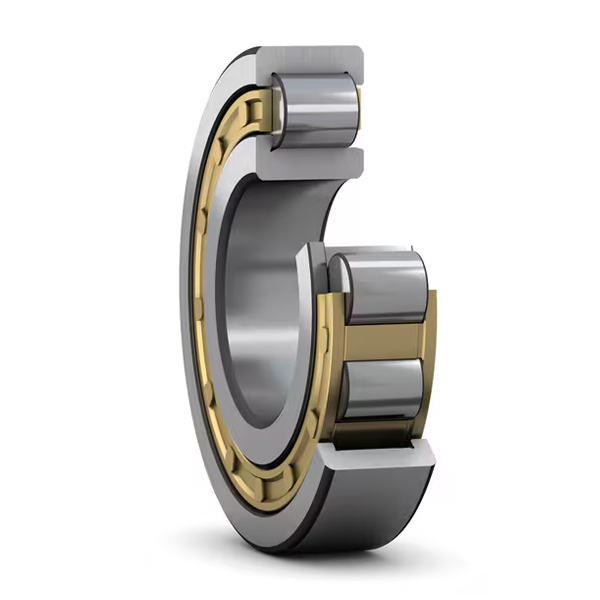
Beyond the Oil Can: Why Smart Engineers Are Switching to BUN Bearing for Zero-Downtime Operations
Let’s be honest: in the world of industrial machinery, the sound of a dry bearing is the sound of money burning. But the traditional solution—sending a technician out with a grease gun every few weeks—is becoming an outdated liability. Between labor costs, the risk of over-lubrication, and the growing pressure to eliminate oil leaks in sensitive environments, the old way of doing things just doesn’t add up anymore.
Enter the era of intelligent motion. While "self-lubricating" isn't a new buzzword, the execution has changed dramatically. It’s no longer just about stuffing a porous metal with oil; it’s about engineering a system that reacts to its environment. And at the forefront of this shift is the BUN bearing.
This isn’t just a component swap; it’s a strategic upgrade for any operation looking to slash maintenance budgets and boost reliability. Here’s why forward-thinking facilities are making the move.
The Myth of "Maintenance-Free" (And How BUN Bearing Makes It Real)
Many manufacturers claim their bearings are "maintenance-free," but anyone who’s had to replace a seized bushing knows that claim often comes with fine print. True self-lubrication requires a delicate balance of material science and fluid dynamics.
BUN bearing solutions, particularly those from industry leaders like Bunting Bearings, leverage decades of metallurgical expertise to get this right. The secret lies in the microstructure:
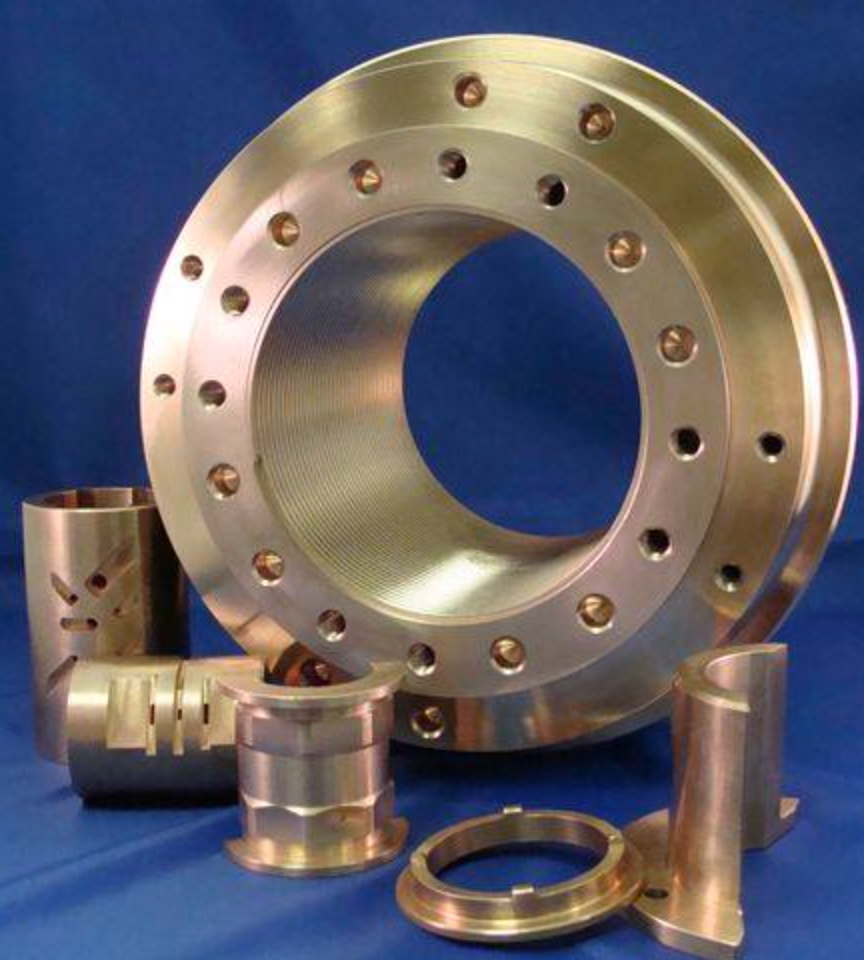
Sintered Bronze Intelligence: Unlike solid metal, these bearings are crafted using powder metallurgy, creating a sponge-like matrix of interconnected pores. These pores are vacuum-impregnated with high-grade lubricant.
Thermal Activation: This is the game-changer. The bearing doesn’t just leak oil; it breathes. As friction generates heat during operation, the lubricant expands and seeps to the surface precisely where it’s needed. When the machine stops and cools, capillary action draws the excess back into the reservoir. This cycle repeats endlessly, ensuring a consistent film without waste.
Solid Lubricant Integration: For environments where liquid oil is a no-go (think extreme temperatures or vacuum conditions), BUN bearing composites integrate solid lubricants like graphite or PTFE directly into the matrix. This ensures smooth operation even when traditional oils would vaporize or freeze.
Real-World Scenarios: Where Traditional Bearings Fail
Theory is great, but let’s look at where BUN bearing technology is actually saving the day.
1. The Food & Beverage Dilemma
In a packaging plant, a single drop of non-food-grade lubricant can contaminate an entire batch, leading to costly recalls and FDA violations. Traditional bearings require careful greasing, often resulting in messy overspray.
The BUN Solution: By utilizing FDA-compliant polymer or bronze BUN bearing units, plants eliminate the external lubrication step entirely. There’s no grease to drip onto conveyor belts or mixing vats. Plus, these bearings can withstand high-pressure washdowns without rusting or washing out their lubricant, keeping hygiene standards sky-high.
2. The Heavy-Duty Grind
Mining equipment and construction machinery operate in some of the dirtiest environments on earth. Dust and grit are the enemies of lubrication; they stick to fresh grease and turn it into an abrasive paste that eats away at metal.
The BUN Solution: Because BUN bearing surfaces release only microscopic amounts of lubricant, there’s no sticky residue for dust to cling to. This "dryer" running surface significantly reduces wear in abrasive conditions. Field data suggests that in high-load pivot points, switching to these self-lubricating solutions can triple the service life compared to standard greased bushings.
3. Marine and Offshore Challenges
Saltwater is corrosive, and accessing lubrication points on a rolling ship or an offshore platform is dangerous and difficult.
The BUN Solution: Corrosion-resistant alloys and specialized coatings in BUN bearing lines offer robust protection against salt spray. More importantly, the elimination of routine greasing means fewer man-hours spent in hazardous zones and less risk of human error leading to premature failure.
The Hidden ROI: It’s Not Just About the Part Price
Procurement managers often hesitate when they see the unit price of a high-performance self-lubricating bearing compared to a standard brass bushing. But that’s looking at the wrong number. The real savings are in the Total Cost of Ownership (TCO).
Consider the hidden costs of traditional bearings:
Labor: The cumulative hours spent by maintenance teams crawling under machines to hit grease points.
Downtime: Production stops for scheduled lubrication or unscheduled repairs due to seized components.
Waste Disposal: The increasing regulatory cost of disposing of used lubricants and cleaning solvents.
Product Loss: Scrap generated by oil contamination.
When you factor these in, the premium for a BUN bearing often pays for itself within the first year of operation. It transforms a recurring operational expense into a one-time capital investment.
Sustainability: The Green Angle
In 2026, sustainability isn’t just a marketing slogan; it’s a compliance requirement. Reducing the carbon footprint of manufacturing is critical.
Less Waste: No more oily rags, empty grease cartridges, or contaminated runoff.
Energy Efficiency: Properly lubricated systems run with less friction, directly reducing the energy required to drive motors and engines.
Longer Lifecycle: Components that last longer mean fewer replacements, less manufacturing demand, and reduced landfill waste.
Adopting BUN bearing technology aligns perfectly with modern ESG (Environmental, Social, and Governance) goals, making it an easy win for sustainability reports.
Making the Switch
Transitioning to self-lubricating technology doesn’t require a complete redesign of your machinery. In many cases, BUN bearing products are direct drop-in replacements for existing standard bushings. However, selecting the right material composition—whether it’s oil-impregnated bronze, metal-polymer composite, or pure polymer—depends on your specific load, speed, and environmental conditions.
Don’t wait for the next breakdown to rethink your lubrication strategy. The future of reliable engineering is here, and it doesn’t come with a grease gun attached.
Ready to optimize your machinery? Explore the full range of BUN bearing solutions today and discover how a simple component change can drive massive operational gains. Contact our technical team for a custom application analysis and see the difference true self-lubrication makes.