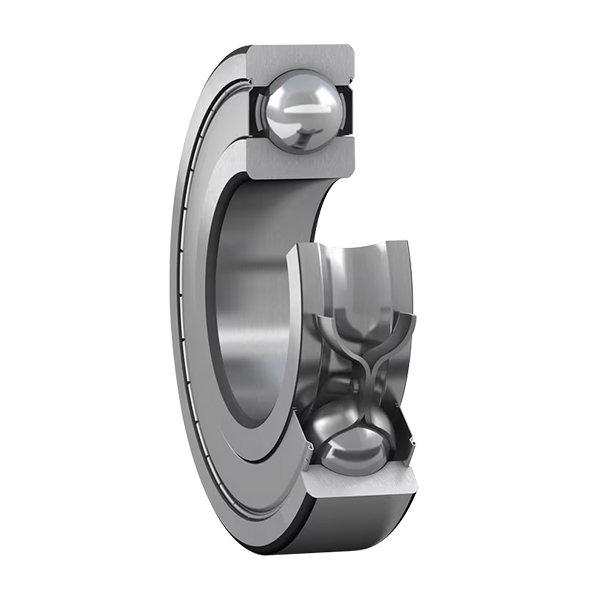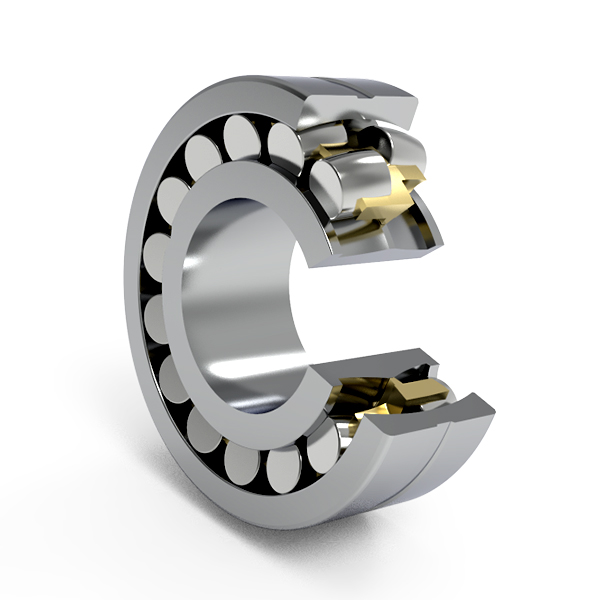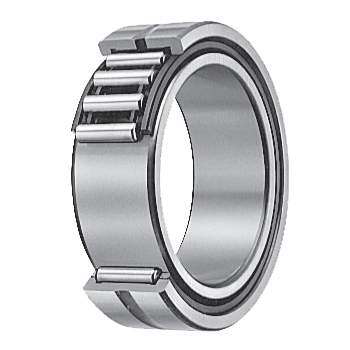
GRW Ball Bearings Keeping Heavy-Duty Tech Running Smoothly
Let’s be honest, bearings are usually the last thing on your mind. They’re tucked away inside the machine, doing the dirty work while you focus on the flashy parts.
But if you’ve ever worked with high-end robotics, medical gear, or precision spindles, you know that the second a bearing makes a squeak or adds a millimeter of wobble, everything grinds to a halt. That’s the moment you realize you need something special.
That’s the GRW vibe.
It’s Not About Selling Parts, It’s About Solving "Impossible" Problems
You won’t find GRW bearings sitting on a dusty shelf at the local hardware store. Why? Because they aren’t made for "normal."
Most factories make a part to fit a catalog description. GRW seems to do it the other way around. They look at the craziest engineering challenges—the ones where the temperature is too hot, the space is too tight, or the environment is too corrosive—and they say, "Let’s build a bearing for that."
The "No Excuses" Approach to Extreme Environments
Think about a vacuum chamber. It’s the ultimate clean room, right? But slap a regular grease-packed bearing in there, and that grease turns into a gas (outgassing) and ruins the whole experiment. It’s a nightmare.
But GRW? They’ve got this bag of tricks. We’re talking about coating the metal with gold, silver, or dry films like MoS2. It’s the kind of stuff you usually hear about in rocket science. They don’t just adapt to the vacuum; they make the vacuum their playground. It’s the same story with food processing or pharma—where high-pressure hoses blast away everything. GRW bearings are built to take the abuse and keep spinning.
Why Robots and Spindles Love Them
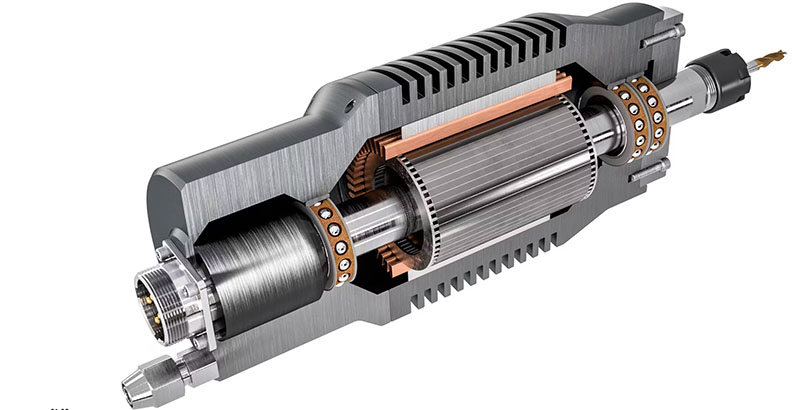
If you’ve ever watched a high-speed spindle cut metal or a robot weld a car frame, you know it’s a dance. It needs to be fast, precise, and dead quiet.
This is where GRW’s "custom" thing gets real. They don’t just tweak the size; they engineer the feel. Whether it’s a bearing that can handle the insane RPMs of a dental drill or the delicate touch needed in a surgical robot, they’ve got the formula. It’s not just about reducing friction; it’s about making movement feel effortless.