These Bearings Rusted Before Even Being Used – What Went Wrong?
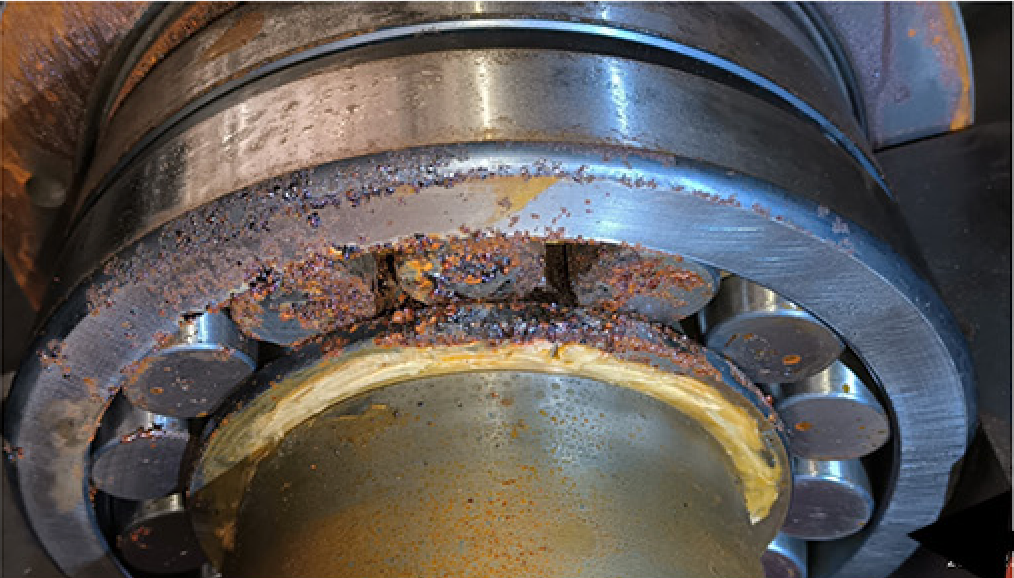
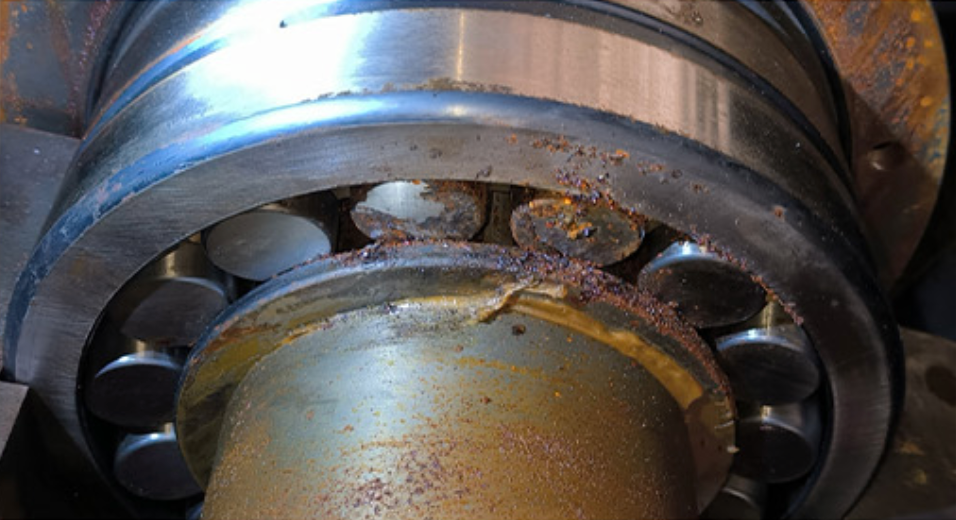
The photos below show brand-new bearings that corroded badly before ever seeing actual service. Once bearings look like this, they’re scrap metal – no way to salvage them.
Since these bearings weren’t in operation, we can rule out friction wear. This is purely moisture corrosion. Here’s what likely happened:
During installation, shipping, or storage, the seals probably weren’t tight enough. That let humidity, water droplets, or even corrosive gases sneak inside. Bear in mind: the thin anti-rust oil coating on new bearings can only handle so much contamination. Once moisture breaches that barrier, the steel surface starts oxidizing immediately.
You might think steel naturally forms a protective oxide layer when exposed to air – and it does. But that layer isn’t waterproof. If water or corrosive fluids touch the bare metal underneath, rust spreads fast. That yellowish-black staining you see? Classic sign of water intrusion during handling or storage.
Most bearing rings and rollers are made from high-carbon chromium steel. Great for hardness and durability, but not inherently rust-proof (especially with carbon content). So how do we prevent this? Three key steps:
Seal tightly – Ensure packaging and storage containers block all moisture.
Check your fangxiuyou – The factory-applied anti-rust oil must be completely water-free and non-corrosive.
Store smart – For bearings not going into immediate use, reapply specialized long-term防锈剂 and keep them in vapor-proof wrapping.
Bottom line: Bearings don’t rust themselves – we let them rust through poor handling. A little extra care in storage saves thousands in replacement costs.