Why Bearing Steel is Like a Superhero Team
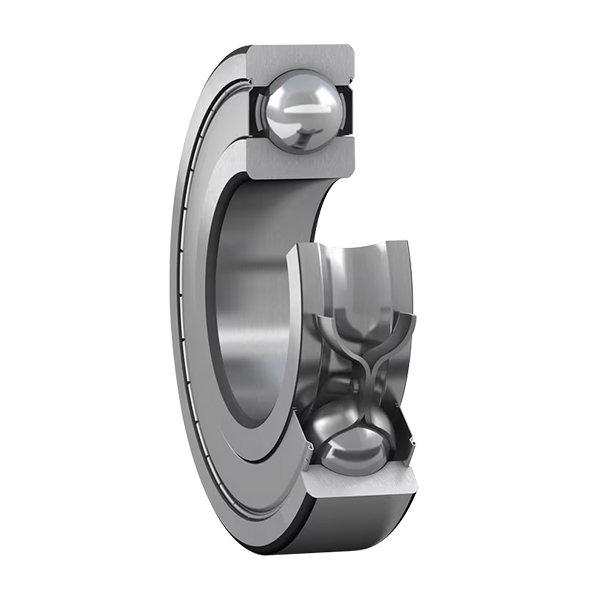
When you look at a tiny ball bearing, it’s easy to think of it as just a simple piece of metal. But in reality, the material inside that bearing is like a superhero team, each with a different power set for different missions.
For decades, the industry has relied on a classic material called 100Cr6 (also known as 52100). Think of this as the "Reliable Workhorse." Developed over a century ago, it’s the go-to choice for most mechanical engineering and automotive applications. It’s tough, it’s hard, and it offers a great balance of performance and value. At GRW, they don't just use standard steel; they use a high-purity version with a special heat treatment to make sure it lasts as long as possible. However, this material has one weakness: it needs to be lubricated to avoid rust. It’s not the best choice if you're facing a hostile, wet environment.
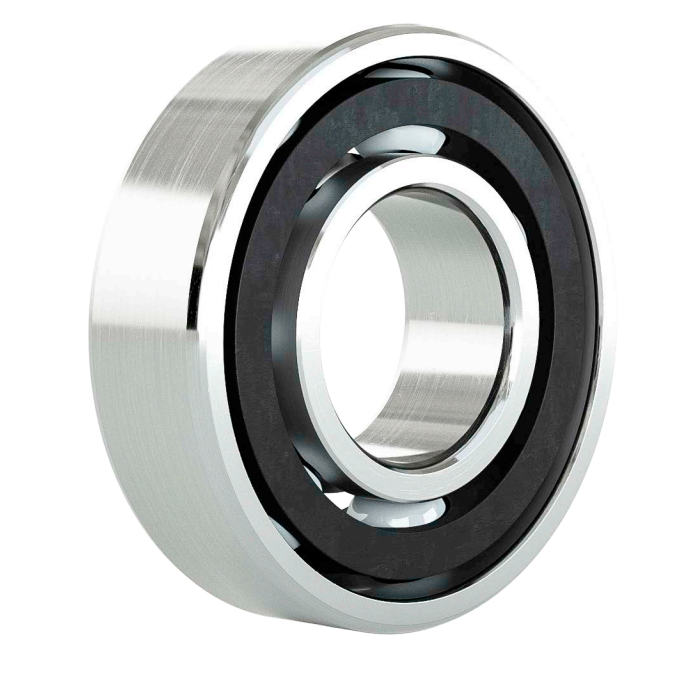
This is where the "Specialists" come in. When the job gets tough—like in a dentist's drill, a blood pump, or a satellite heading to Mars—engineers turn to stainless steels.
The first specialist is "SS" (X65Cr13). This is the most common steel for miniature bearings. It’s famous for its use in surgical tools and dental handpieces because it fights corrosion so well. But here’s the cool part: GRW treats this steel at temperatures over 1000°C. This process leaves behind very little "retained austenite" (less than 7%), which means the bearing stays incredibly stable, even in extreme conditions. It’s even been tested for biocompatibility, making it safe for medical use.
Then there’s the "SV" (X30CrMoN15-1), the premium all-rounder for high-tech. By swapping some carbon for nitrogen, this steel becomes a champion against wear and corrosion. It’s the kind of material you’d find in aerospace applications or where mixed friction is a problem. Like the SS steel, it’s also biocompatible and can handle aggressive chemicals.
So, while the standard 100Cr6 gets the job done for everyday machinery, the SS and SV steels are there to save the day when precision, cleanliness, or extreme durability are on the line.