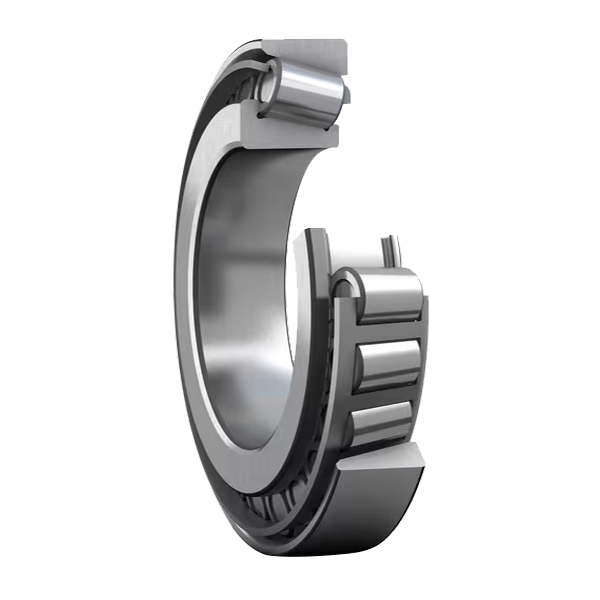
Practical Maintenance of NSK Bearings (Part 2) — Operation Inspection and Abnormal Troubleshooting
Installing the bearing doesn’t mean you’re done with maintenance. What really determines the service life and stability of the equipment is careful observation, regular inspections during daily operation, and the ability to judge and handle abnormalities quicky when they occur. Most on-site problems don’t happen suddenly; they accumulate little by little from small hidden dangers. As long as we pay more attention and keep an eye on things during the operation phase, we can stop most faults in their tracks and avoid unnecesary shutdowns and losses.
After the equipment is newly put into operation or the bearing is replaced, a test run is an essential step. There’s no need to run it at full load right away— the key is to “go slow, stay steady, and observe and listen more”. First, turn the bearing manually to feel if it rotates smoothly, with no obvious jamming or uneven resistance. Then start it at no load and low speed, allowing the bearing to fully form an oil film under light load and gradually adapt to the operating state. Next, increase the speed and load step by step, leaving time for observation at each stage. During the entire process, temperature, sound, vibration, and lubrication status are the four core observation dimensions, and they’re also the places where problems are most likely to show up.
Daily inspections during operation don’t need to be complicated, but they must be consistent and thorough. During routine inspections, use a stethoscope to listen to the bearing by placing it against the bearing housing— the sound of normal operation is a uniform, steady “hum”. Once you hear metal knocking, friction squealing, or periodic abnormal noise, you need to be alert. For temperature, use a temperature gun to measure the temperature of the bearing outer ring; after normal stable operation, it’s usually about 30–40℃ higher than the ambient temperature. If the temperature rises slowly and continuously, it’s mostly related to lubricant aging or excessive grease. If it spikes suddenly, it’s basically a sign of severe poor lubrication, too small clearance, or internal component damage— you must shut down the machine as soon as possible. For vibration, rely on hand feel or a vibration meter; a sudden increase in vibration is often related to raceway indentations, spalling, loose fits, or foreign objects entering. For lubrication, check the oil level, grease color, and condition; blackening, emulsification, hardening, or leakage all mean the lubrication system need attention.
In actual operation, the most common and troublesome issues are several typical abnormalities: abnormal noise, overheating, excessive vibration, lubricant deterioration, or leakage. The table below summarizes the most common on-site phenomena, real causes, and practical solutions, making it easy for you to check against, locate problems quickly, and get things back on track.
| Abnormal Phenomenon | Main Causes | Solutions |
|---|---|---|
| Metal Knocking/Periodic Abnormal Noise | Misalignment, large coaxiality deviation; excessive or insufficient clearance; raceway indentations or spalling; foreign objects entering | Re-calibrate coaxiality; check and adjust clearance; disassemble and inspect the bearing if necessary, clean or replace it |
| Sustained High or Sudden Temperature Rise | Excessive/insufficient grease, aging and deterioration; over-tight fit, insufficient clearance; overload; poor heat dissipation | Adjust grease filling amount (1/3–1/2 of the bearing cavity); replace with qualified grease; recheck fit tolerance; reduce load and improve heat dissipation |
| Significantly Increased Vibration | Wear, indentations, or spalling on raceways/rolling elements; loose fit of inner/outer rings; shaft misalignment; loose foundation bolts | Disassemble and inspect the bearing, replace it if severely damaged; reinstall and fasten; calibrate shaft alignment; tighten anchore bolts |
| Blackened, Emulsified, or Leaking Grease | Aged and damaged seals; moisture and dust intrusion; grease decomposition due to overheating; excessive grease filling | Replace seals; thoroughly clean the bearing and refill with new grease; troubleshoot overheating causes; control grease filling amount |
| Rotational Jamming, Uneven Resistance | Foreign object jamming; grease solidification or coking; raceway rust and plastic deformation; cage deformation | Clean the bearing and replace grease; check seals and environmental moisture protection; replace the bearing if necessary |
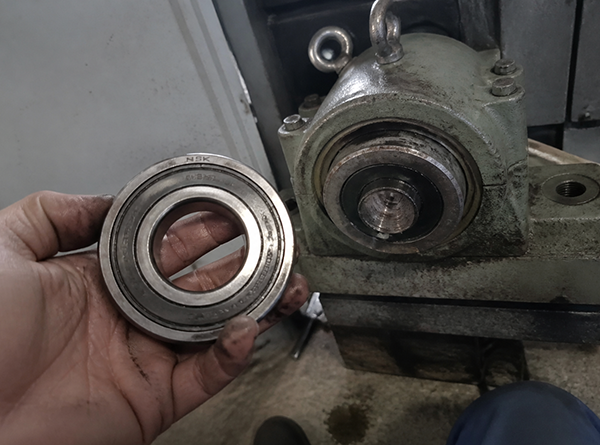
During actual troubleshooting, there’s no need to disassemble everything right away. Start with the simplest and easiest-to-repair checks first: listen to the sound, measure the temperature, check vibration, and inspect lubrication and seals. If everything is okay, then check alignment and bolt tightness. Finally, consider disassembling the bearing. This saves time and avoids secondary damage caused by blind disassembly and assembly.
In short, the core of NSK bearing operation and maintenance is two things: observe carefully daily and judge abnormalities quickly. As many on-site technicians’ experience has proven, bearing faults aren’t afraid of “small problems”— they’re afraid of “being left unhandled”. As long as we do a solid job of operation inspections and careful abnormal troubleshooting, the actual service life of the bearing can often approach or even reach its theoretical life, and the stability and attendance rate of the equipment will naturaly improve.